Within the framework of the “Green Urban Resilience – Green Adaptation Solutions for Smart and Resilient Cities in the Black Sea Basin” project, supported by the European Union, a series of urban temperature measurement campaigns have been launched in partner cities to identify and mitigate urban heat stress.
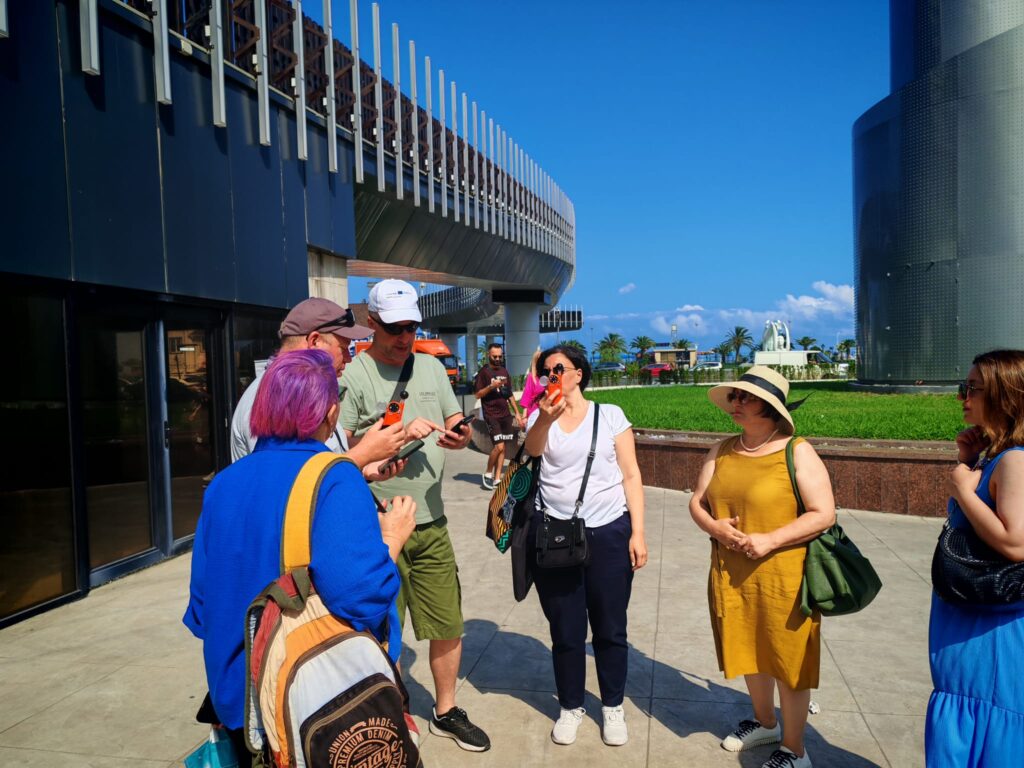
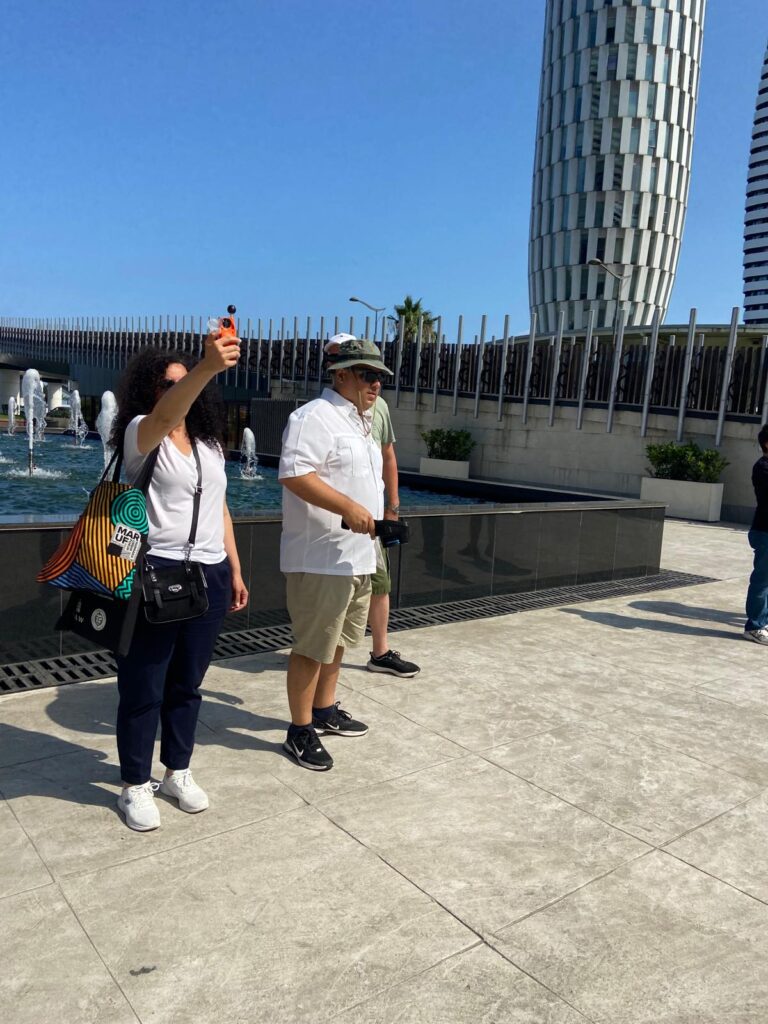
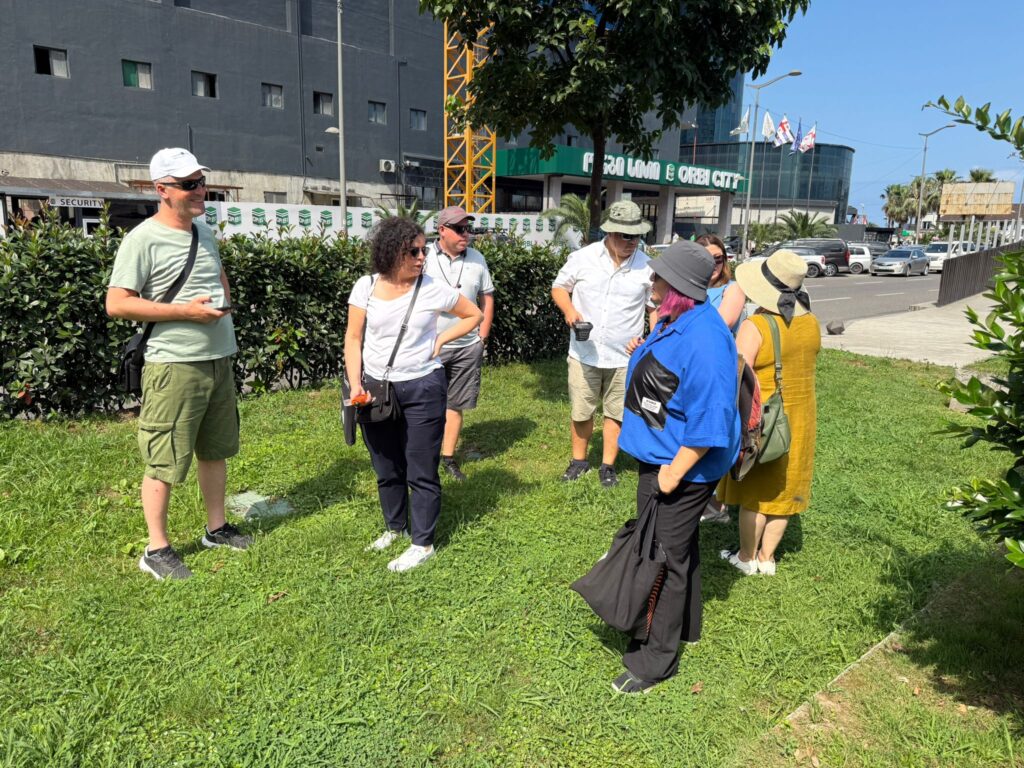
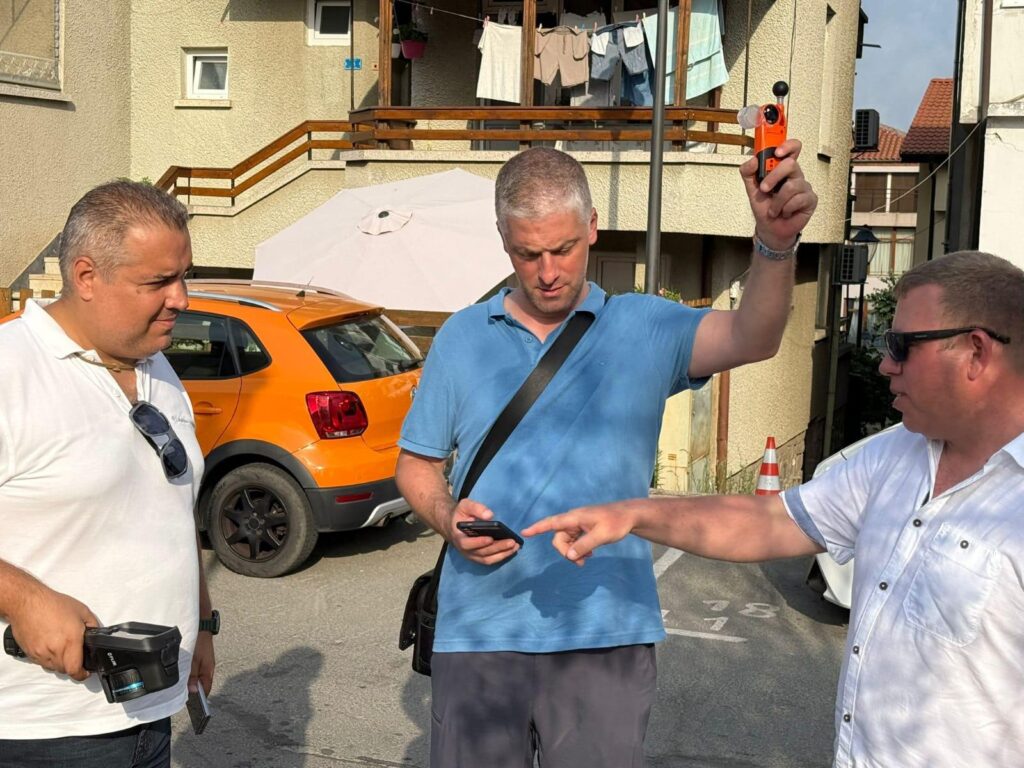
Batumi, Georgia – 19 July 2025
The first ground-level temperature measurements of the project were carried out by LANDLAB experts in Batumi. Using advanced thermal devices, surface temperatures were recorded across various urban locations, pinpointing the areas most affected by the Urban Heat Island (UHI) effect.
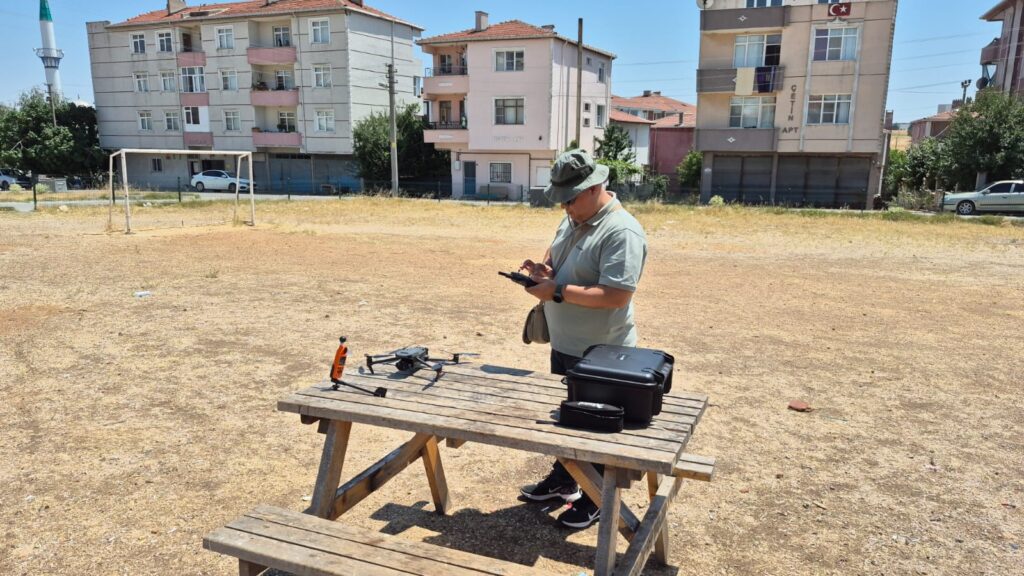
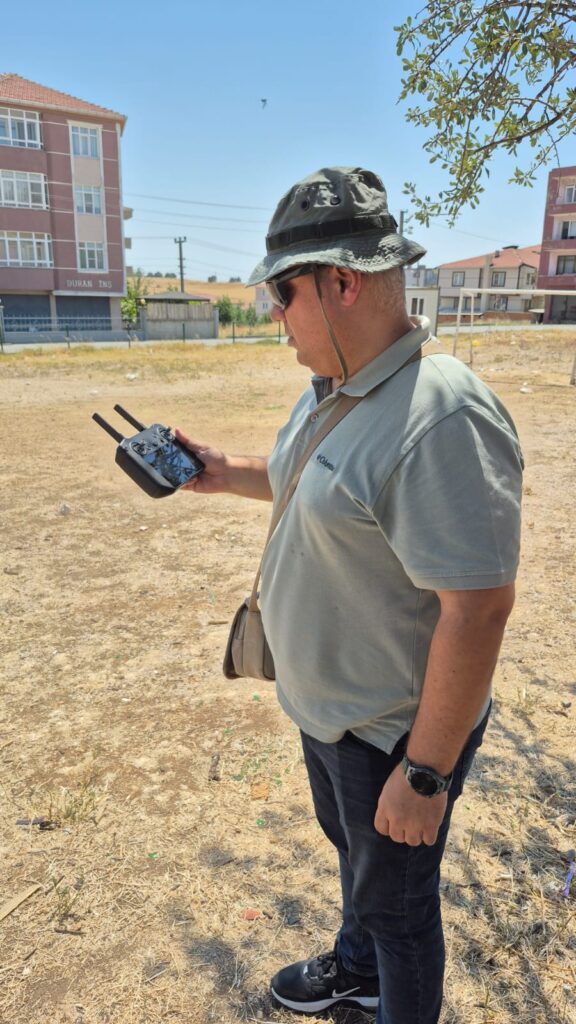
Uzunköprü, Türkiye – July 2025
In Uzunköprü, drone-based thermal imaging was conducted over the site of a future climate-resilient park and its surroundings. Once the park is completed, a second round of measurements will be performed to scientifically assess the park’s cooling impact on the urban microclimate.
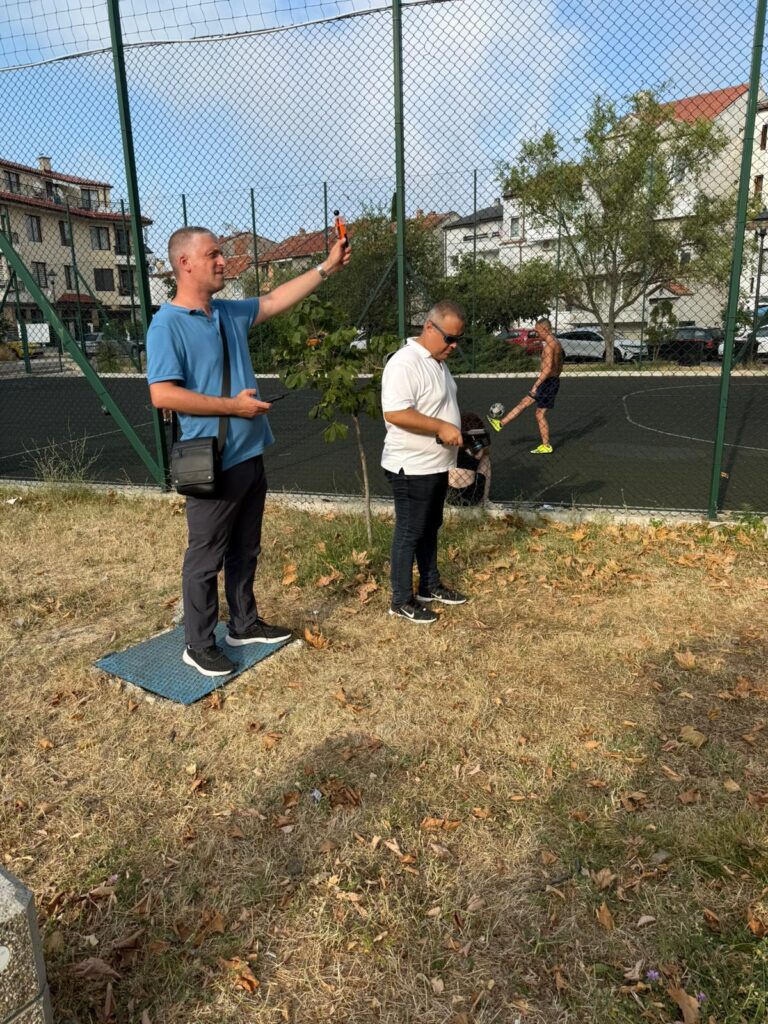
Sozopol, Bulgaria – Early August 2025
Thermal measurements were performed across different zones of Sozopol to detect heat accumulation hotspots. The findings will help guide the integration of green infrastructure into local urban planning, targeting the most heat-stressed areas.
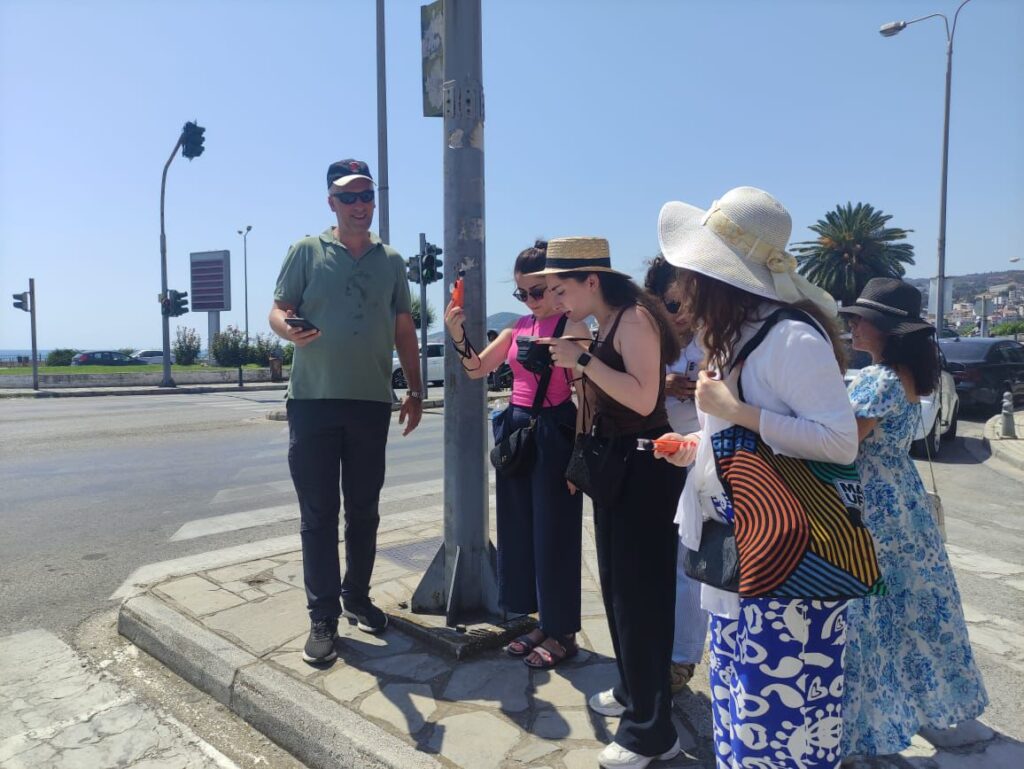
Kavala, Greece – 11–12 August 2025
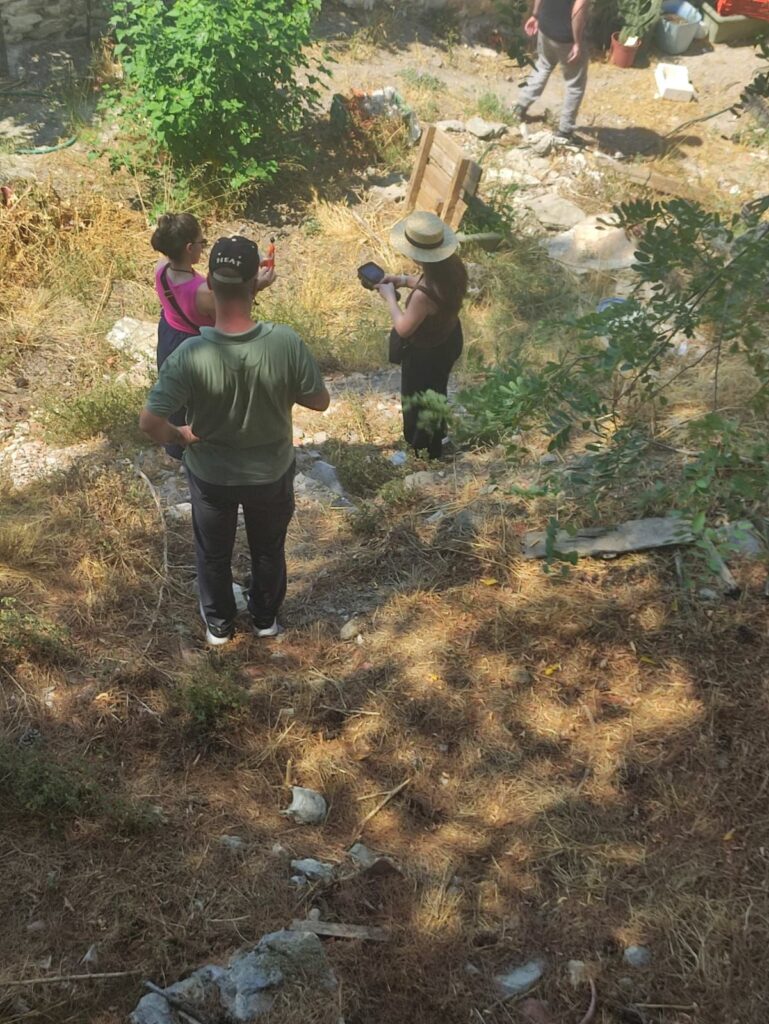
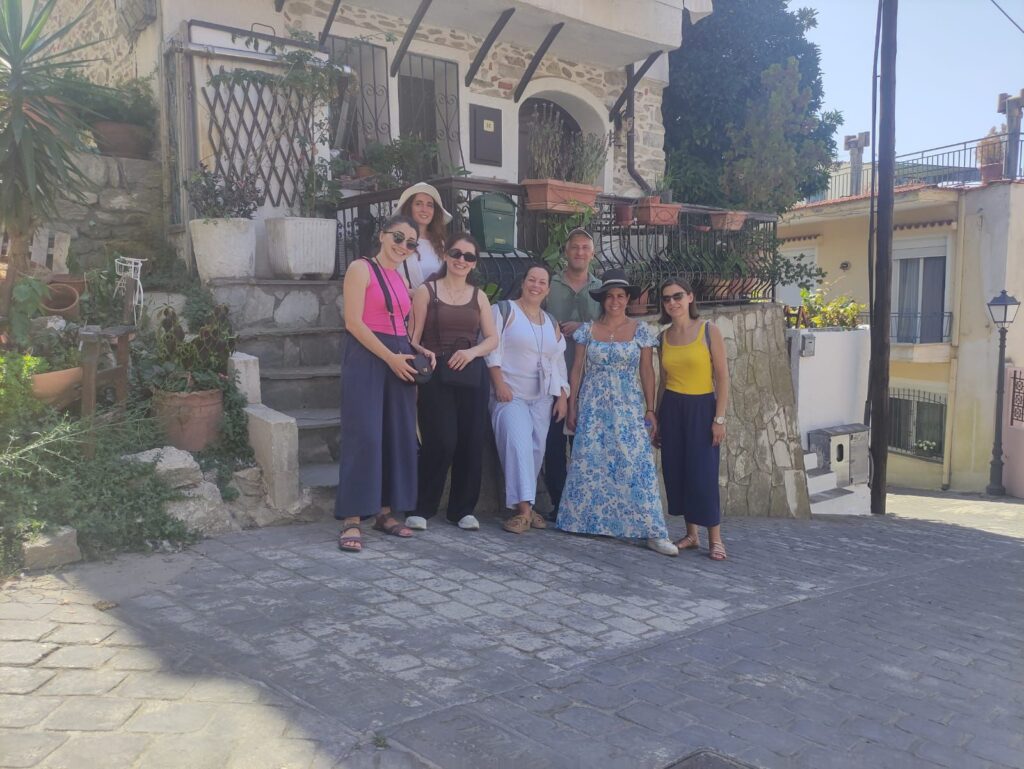
In Kavala, measurements took place over two days. The first day focused on on-site assessments to identify priority locations, while the second day saw joint fieldwork by the Kavala expert team and LANDLAB specialists, collecting detailed surface temperature data from selected sites.
All collected data will feed into the creation of high-resolution urban heat maps for each city, providing a solid evidence base for nature-based cooling solutions. These efforts aim to make Black Sea cities cooler, healthier, and more climate-resilient—improving the quality of life for residents while combating the local impacts of climate change.